Poles in Persia


The Polish state was one of the first nations to fall in WW2, yet the Polish people never stopped resisting the Germans, from the home front in Poland as resistance or in the Western, Eastern, and Mediterranean fronts of Europe and North Africa Poles fought on all fronts against Nazi Germany.
In 1942, approximately 120,000 Polish refugees arrived to Iran. The refugees were part of a larger exodus of between 320,000 and a million Polish evacuees who were forced out of Poland by the Soviet Union during the war and deported to the eastern parts of the Soviet Union.

Molotov–Ribbentrop Pact

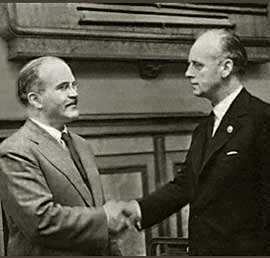
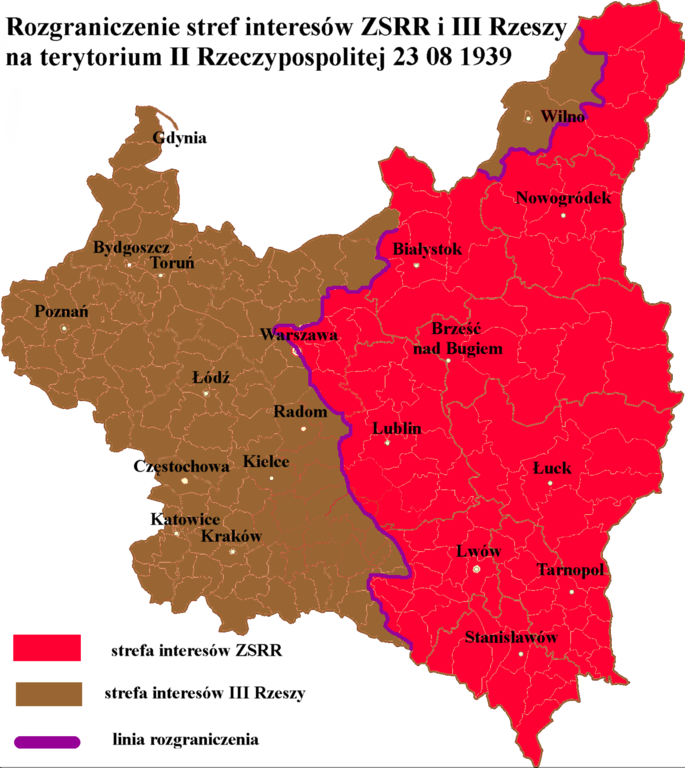
In the night of 23-24 August 1939, Germany and the Soviet Union signed a non-aggression pact., known as the Molotov-Ribbentrop Pact. The countries agreed that they would not attack each other and secretly divided Poland. The pact was signed in Moscow by German Foreign Minister Joachim von Ribbentrop and Soviet Foreign Minister Vyacheslav Molotov

German invasion of Poland 1939 and the Polish immigration to the West

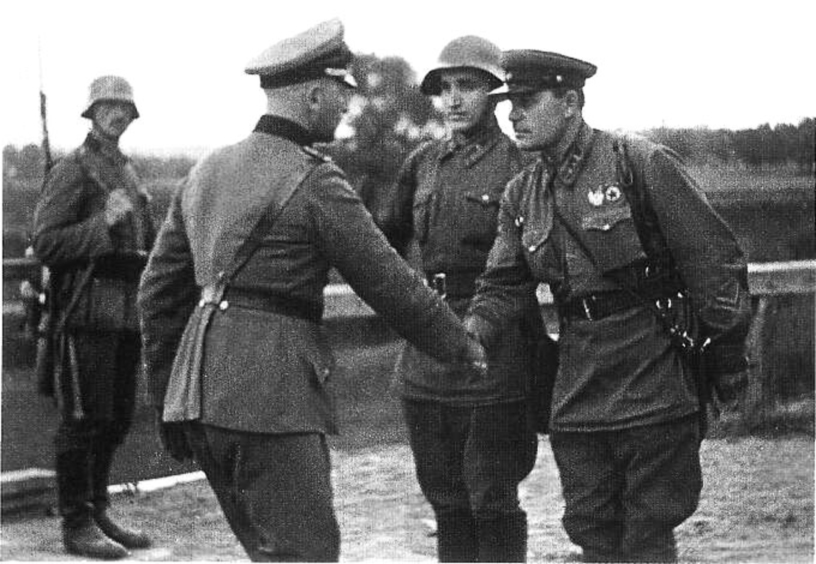
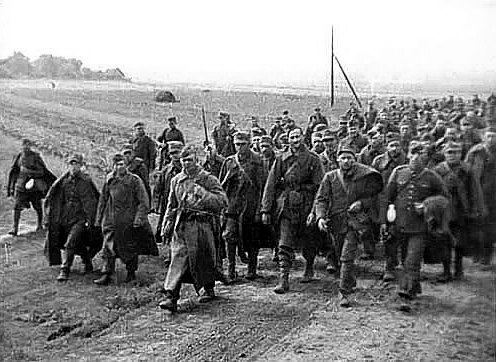
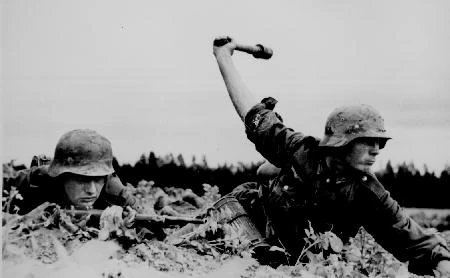
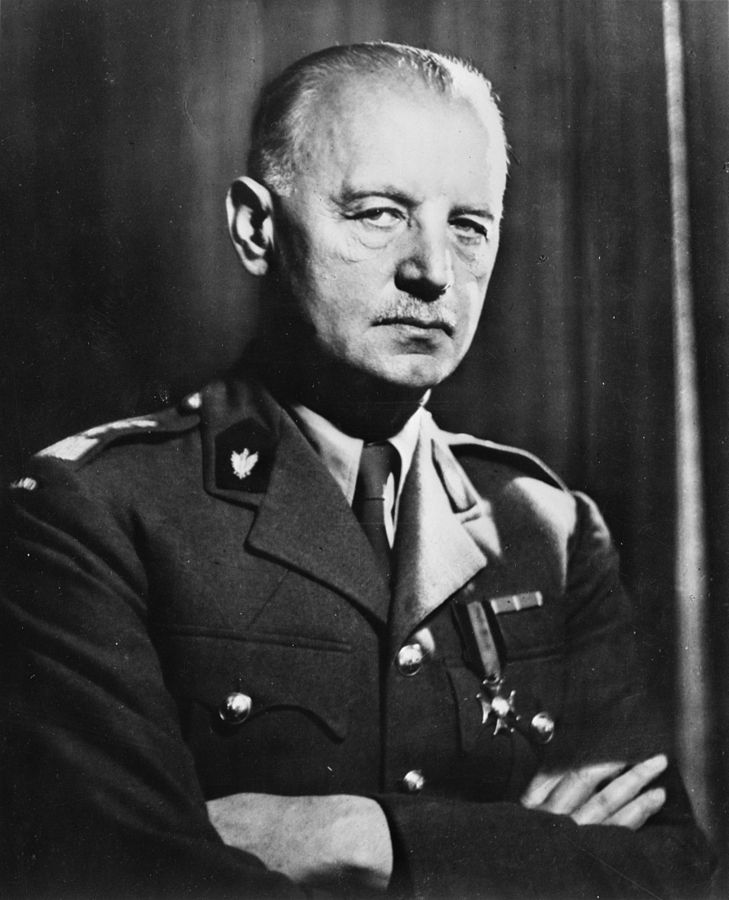
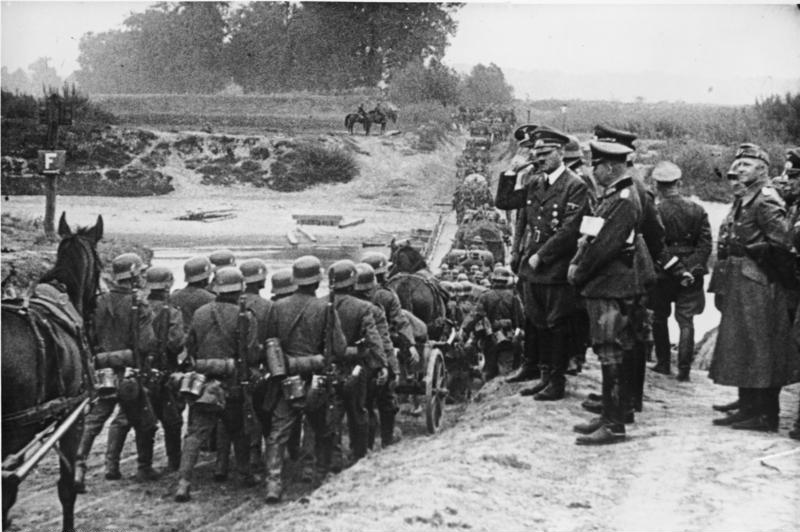
The Invasion of Poland 1939 (1 September – 6 October 1939), was a joint attack on the Republic of Poland by Nazi Germany, and the Soviet Union; which marked the beginning of World War II. after the German and Soviet invasion of Poland in 1939, Polish forces had been scattered across Europe and beyond. Marshal Edward Rydz-Smigly commander in Chief of the Polish armed forces orders his men to flee through Romania, Hungary and Yugoslavia, by the summer of 1940 about 70,000 Polish soldier made the journey. By April 1940 45,000 Poles arrive to France, they fought alongside The British expeditionary force and The French army against the German invasion of France in May and June of 1940, and later evacuate France by the order of Wladyslaw Sikorski Prime minister of the Polish Government in-Exile to Great Britain after The French armistice in June 22 1940. Only 20,000 Poles of the 80,000 Poles in France make it to Britain, out of these men the Polish first corps is formed and based in Scotland, these men well later play an important role in battles to come in Europe.

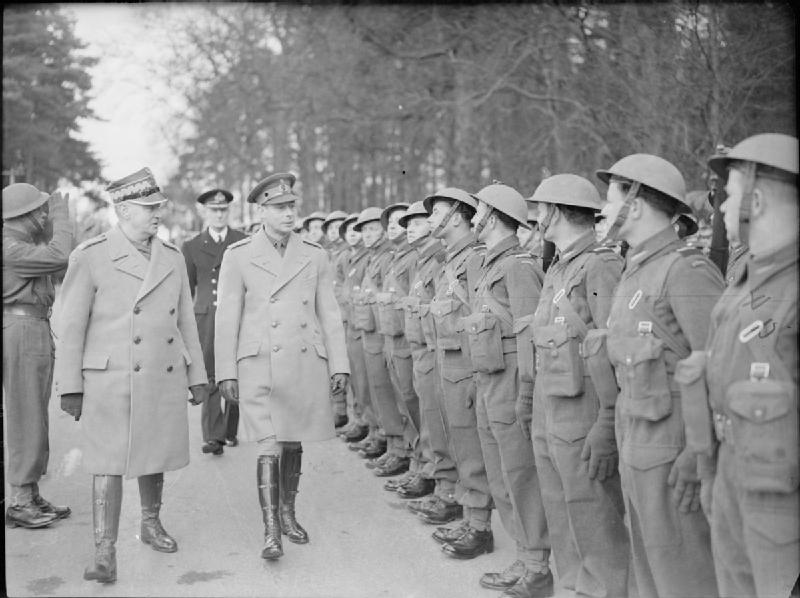
King George VI and General Władysław Sikorski, Prime Minister of the Polish government-in-exile, inspecting a guard of honour of the 1st Polish Corps at Glamis, Scotland, 8 March 1941

The Poles under Soviet occupation

On the Eastern side of Poland was the Soviet invasion of Poland
without a formal declaration of war, On 17 September 1939, the Soviet Union invaded Poland from the east, 16 days after Nazi Germany invaded Poland from the west.

The Katyn Massacare

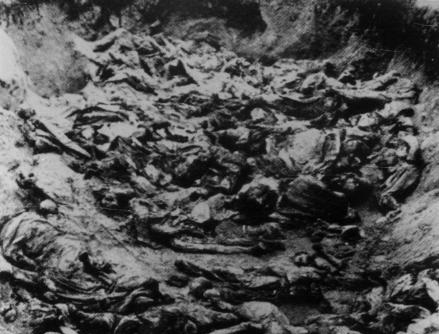
One of the incidents that occurred in Poland was the Katyn Massacare of 1940, The Katyn massacre was a series of mass executions of nearly 22,000 Polish military officers and intelligentsia prisoners of war carried out by the Soviet Union, specifically the NKVD in April and May 1940. The Katyn Massacre left a deep scar in Polish-Soviet relations during the remainder of the war and afterward. For Poles, Katyn became a symbol of the many victims of Stalinism.

Polish deportation to Siberia

In the aftermath of the German and Soviet invasion of Poland, which took place in September 1939, the territory of Poland was divided in half between Nazi Germany and the Soviet Union. The Soviets had ceased to recognise the Polish state at the start of the invasion.Since 1939 German and Soviet officials coordinated their Poland-related policies and repressive actions. For nearly two years following the invasion, the two occupiers continued to discuss bilateral plans for dealing with the Polish resistance during Gestapo-NKVD Conferences until Germany’s Operation Barbarossa against the Soviet Union, in June 1941.
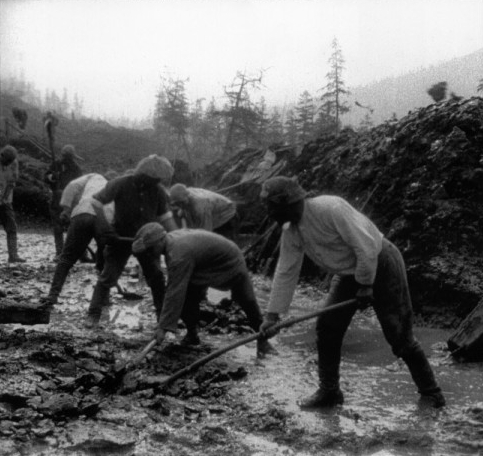
The first mass deportation of Poles to Siberia carried out by the NKVD began on 10 February 1940. About 140,000 Polish citizens were sent deep into the Soviet Union. Many of them died during the journey, thousands never returned to their country. Altogether the Soviets sent roughly a million people from Poland to Siberia. According to Norman Davies, almost half had died by the time the Sikorski-Mayski Agreement had been signed in 1941. Around 55% of the deportees to Siberia and Soviet Central Asia were Polish women.

The German invasion of the Soviet Union June 1941

Until June 1941, Poland found itself in a struggle with two major powers, Nazi Germany and the Soviet Union but that all changed on June 22 1941. Operation Barbarossa was the invasion of the Soviet Union by Nazi Germany and many of its Axis allies, starting on Sunday, 22 June 1941, during the Second World War. It was the largest land offensive in human history, with around 10 million combatants taking part. The Polish government in-Exile and The Soviet had found a common enemy and now that the British and Soviets found themselves on the same side it was critical to muster all of the men power they could.


Władysław Sikorski, first Prime Minister of the Polish government in exile. The Polish government in exile, based first in Paris, then in Angers, France, where Władysław Raczkiewicz lived at the Château de Pignerolle near Angers from 2 December 1939 until June 1940.

By 1941 approximately 2 million Polish men and women were in the USSR, The British government and the Polish government in-Exile in London came to the conclusion that between a 100,000 and 250,000 could be suitable for service.
Sikorski tried to convince Chruchill to call in for the liberation so they can be used for man power but the problem was Stalin didn’t recognize the Polish government in-Exile.

Sikorski–Mayski agreement July 1941

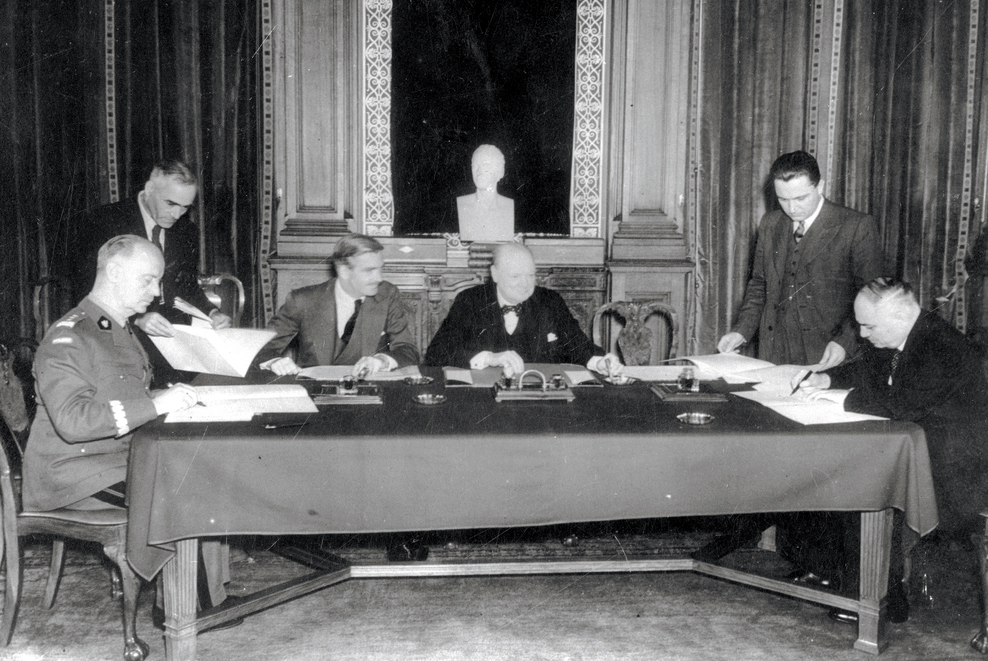
After the German invasion of the Soviet Union, Poland and the Soviet union found each other on the same side therefore in July 1941 The Sikorski-Mayski agreement was signed.The Sikorski–Mayski agreement was a treaty between the Soviet Union and Poland that was signed in London on 30 July 1941.Its name is taken from its two most notable signatories: the prime minister of Poland, Władysław Sikorski, and the Soviet ambassador to the United Kingdom, Ivan Mayski.Stalin agreed to declare all previous pacts that he had with Nazi Germany null and void, to invalidate the September 1939 partition of Poland and to release tens of thousands of Polish prisoners-of-war held in Soviet camps. Pursuant to an agreement between the Polish government-in-exile and Stalin, the Soviets granted “amnesty” to many Polish citizens on 12 August 1941, from whom a 40,000-strong army (Anders Army, later known as the Polish II Corps) was formed under General Władysław Anders. The whereabouts of thousands more Polish officers, however, would remain unknown for two more years and weigh heavily on subsequent Polish-Soviet relations.

Anders’ Army


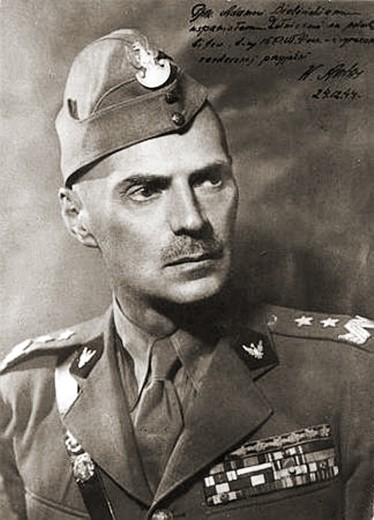
Władysław Anders, commander of the Polish Armed Forces in the East

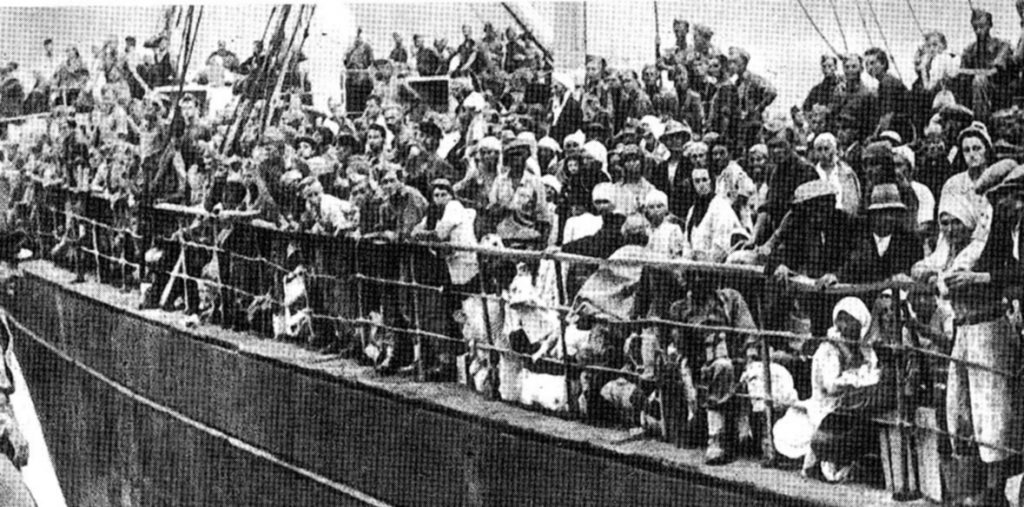
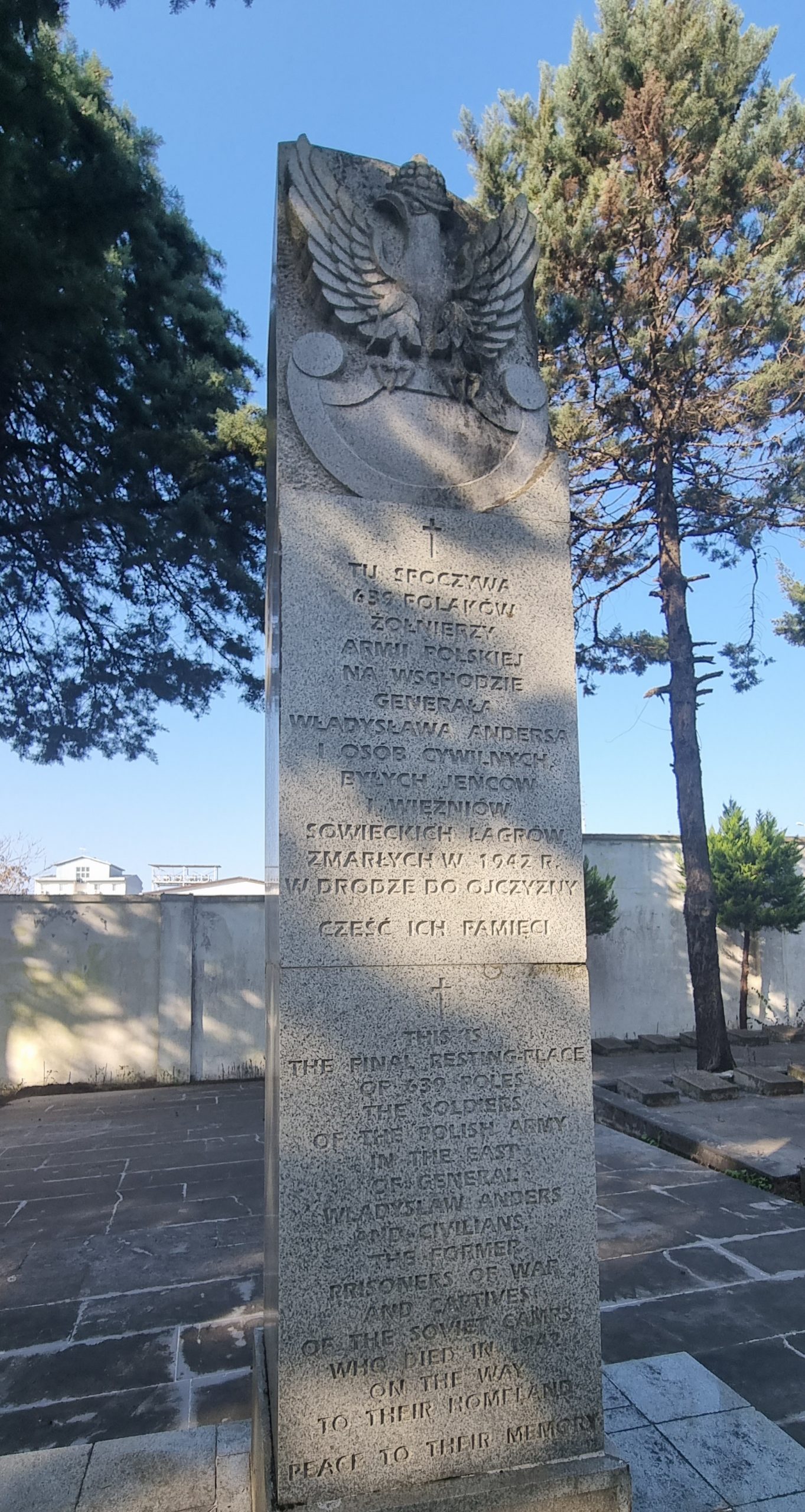
Anders’ Army was the informal yet common name of the Polish Armed Forces in the East in the 1941–42 period, in recognition of its commander Władysław Anders. The army was created in the Soviet Union but, in March 1942, based on an understanding between the British, Polish, and Soviets, it was evacuated from the Soviet Union and made its way through Iran to Palestine. There it passed under British command and provided the bulk of the units and troops of the Polish II Corps (member of the Polish Armed Forces in the West), which fought in the Italian Campaign. Anders’ Army is notable for having been primarily composed of liberated POWs and for Wojtek, a bear who had honorary membership. After two years and with the beginning of the German attack on the Soviet Union, Stalin had to make friends with the Polish government in exile and establish a single command against Germany on the Polish front. According to this agreement, it was decided that in addition to the passage of armed Polish military personnel through Iran, prisoners and people inside the camps will also migrate to Palestine and Africa through Iran. This action was made possible by the violation of Iran’s neutrality and the occupation of Iran by British and then Russian forces on September 3, 1941. Thanks to a remarkable reversal of fortune well over 110,000 Poles, including 36,000 women and children, managed to leave the Soviet Union with Anders’ Army. They ended up in Iran, India, Palestine, New Zealand, and British Africa, as well as in Mexico. Among those who remained in the Soviet Union, about 150,000 Poles perished before the end of the war. The evacuation of the Polish people from the USSR lasted from March 24, 1942, for one week, and then again from August 10, 1942, until the beginning of September. In the first stage, more than 30,000 military personnel and about 11,000 children left Krasnovodsk (Turkmen SSR, present-day Turkmenistan) by sea for Bandar Pahlavi.Starting in 1942, the port city of Pahlevi (now known as Anzali) became the main landing point for Polish refugees coming into Iran from the Soviet Union, receiving up to 2,500 refugees per day. General Anders evacuated 74,000 Polish troops, including approximately 41,000 civilians, many of them children, to Iran. In the second stage of evacuation from the interior, more than 43,000 military personnel and about 25,000 civilians left with General Władysław Anders across the Caspian Sea to Iran. About one third of the civilians were children. A smaller-scale evacuation to Ashkhabad-Mashhad followed, including the large and final group of civilians. The journey of some Poles who came to Tehran was not without danger and some of them died on the way. At the beginning of the arrival, a number of Polish women and children, temporarily outside of Tehran, will be gradually arranged for their travel and movement to another place. Some were also placed in the roofed areas of the Air Force Technical College, empty aircraft hangars, and the officers’ college building. Two weeks later, on May 16, 3,000 refugees were transferred to the Manzariyeh camp in Shemiran. The tents where the immigrants lived were heavily guarded by British, Indian and Polish agents. Meanwhile, some Jewish children did not enter the camp and were placed among Iranian Jewish families. Despite trying to manage the situation properly The uncontrolled entry of immigrants and the lack of quarantine of patients, as well as in some cases the lack of supplies and necessities for immigrants, were among the most important factors in causing disorder and problems at that time. At that time, health problems such as typhoid, typhoid, and tuberculosis had spread among the immigrants, so a medical team was sent to Anzali port to quarantine the patients. The refugees stayed in Iran for about three years and until the end of World War II. Some of them worked as nurses in hospitals. Some of them earned the attention of the Iranian government by performing music concerts and Polish shows and working in cafes, restaurants, companies or in private homes. Some of them also taught Iranian women how to make up and western fashion. Some started sewing clothes, even army clothes, to meet their financial needs and another group was engaged in secretarial work and teaching the Polish language and writing. They also published a newspaper in Polish called “Call of Poland” (Slowo Polskie) and some books from them have been remembered. From the 10th of August 1942, their departure started gradually, and the main base of their departure was the city of Ahvaz and the port of Shahpur. Migrants left for Ahvaz from Bandar Anzali, Tehran, Isfahan and Mashhad. Campello was the last residential camp for Poles in Ahvaz, which was closed in 1945. However, some of them remained in Iran. In addition to cultural and social works, other works of this unique migration remain. At the same time, with the help of the Board of Directors of Hayim Synagogue on Qavam Al-Sultaneh Street, a small synagogue called “Daniel” Synagogue was built inside for the Poles to do their religious affairs. Leave Iran. For those who died in Tehran, Bandar Anzali and Isfahan, special cemeteries were created or they were buried in Christian cemeteries. Statistics show that 639 Polish soldiers and ordinary people are buried in Bandar Anzali cemetery.
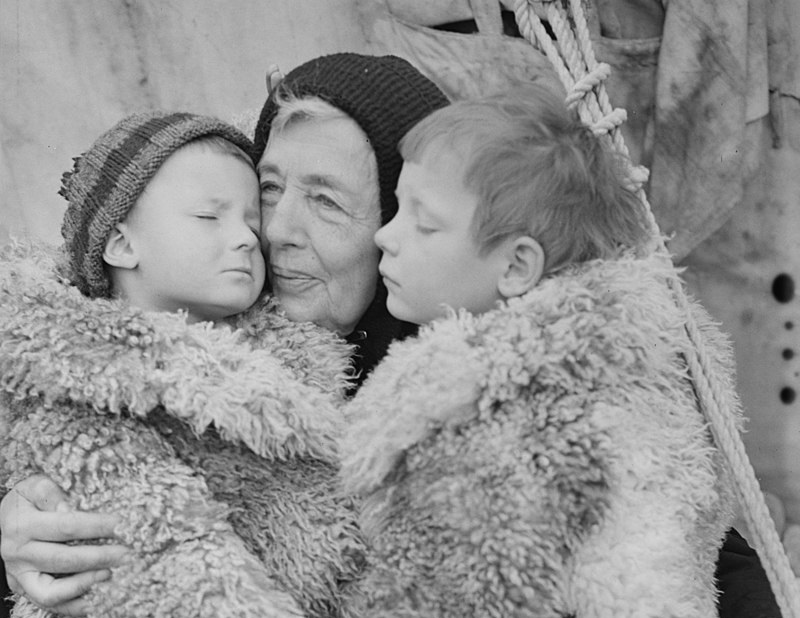
Polish refugees arriving to Iran from the Soviet Union

The Polish II corps WW2


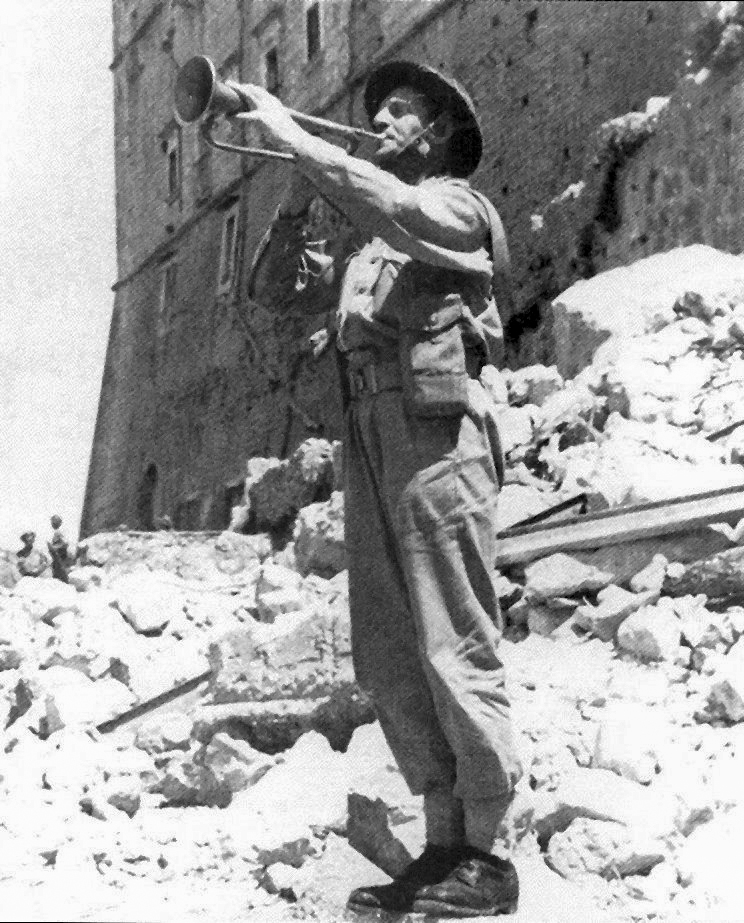
A Polish soldier, Master Corporal Emil Czech, plays the Hejnał Mariacki in the Monte Cassino monastery ruins.

following the signing of the Polish-Russian Military Agreement on 14 August 1941, allowed for the creation of a Polish Army on Soviet soil.Its first commander, General Michał Tokarzewski, began the task of forming this army in the Soviet village of Totskoye on 17 August. The commander ultimately chosen by Władysław Sikorski to lead the new army, Lieutenant General Władysław Anders, had just been released from the Lubyanka prison in Moscow, on 4 August, and did not issue his first orders or announce his appointment as commander until 22 August. This army grew over the following two years and provided the bulk of the units and troops of the Polish II Corps. The Polish II Corps was created in 1943 from various units fighting alongside the Allies in all theatres of war. The 3rd Carpathian Rifle Division was formed in the Middle East from smaller Polish units fighting in Egypt and Tobruk, as well as the Polish Army in the East that was evacuated from the Soviet Union through the Persian Corridor. Its creation was based on the British Allied Forces Act 1940, which allowed the Allied units of the exiled government of Poland to be grouped in one theatre of war. However, the British High Command never agreed to incorporate the exiled Polish Air Force into the Corps. In February 1944, the Polish II Corps was transferred from Egypt to Italy, where it became an independent part of the British Eighth Army, under Lieutenant-General Sir Oliver Leese. During 1944–45, the Corps fought with distinction in the Italian campaign, during the fourth and final Battle of Monte Cassino in May 1944, the Battle of Ancona during Operation Olive (the fighting on the Gothic Line in September 1944), and the Battle of Bologna during the final offensive in Italy in March 1945.

Polish cemeteries

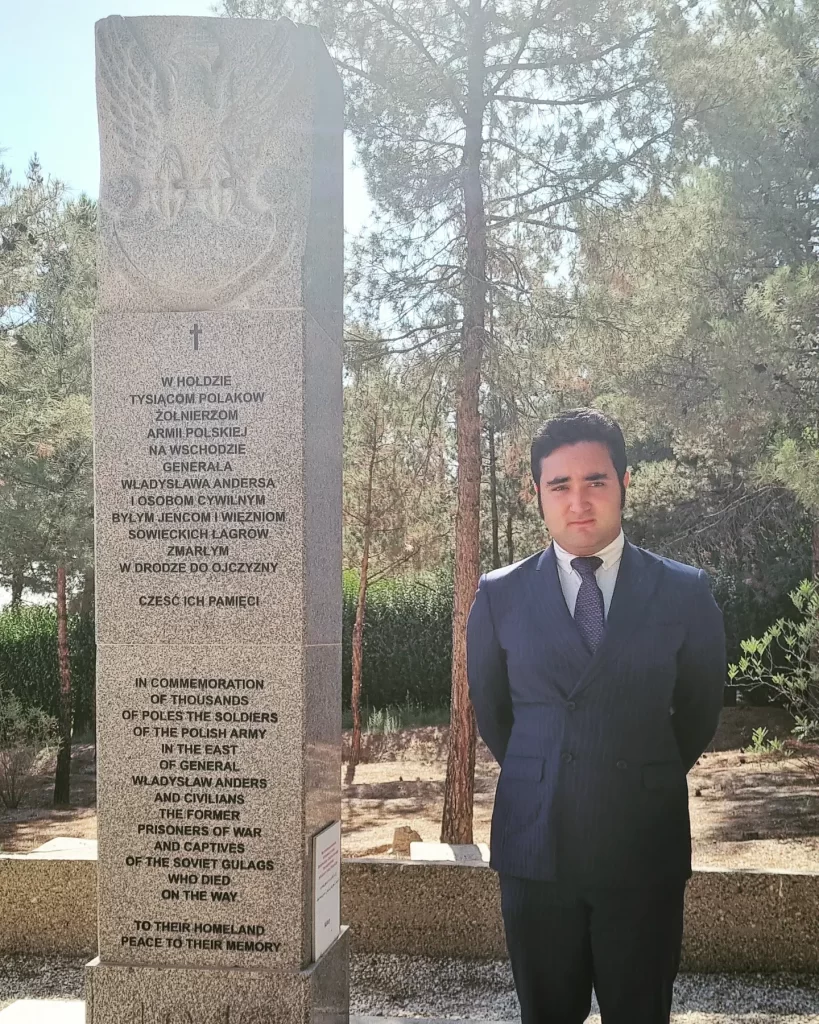
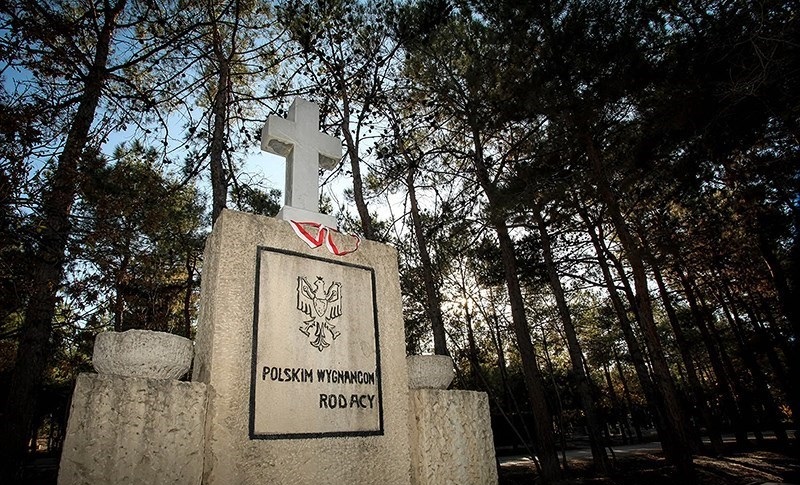
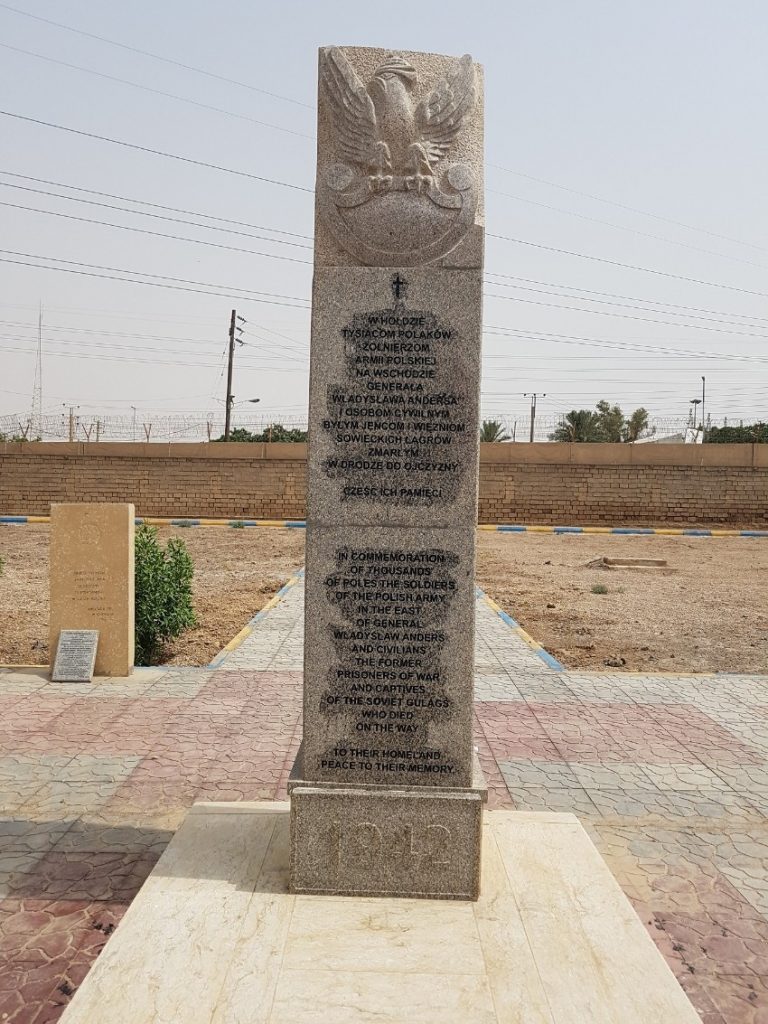
Currently in Iran there are four major Polish cemeteries these include the Polish cemeteries of Anzali, Tehran, Isfahan and Ahwaz.

Anzali

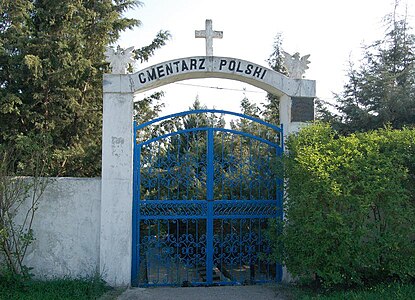
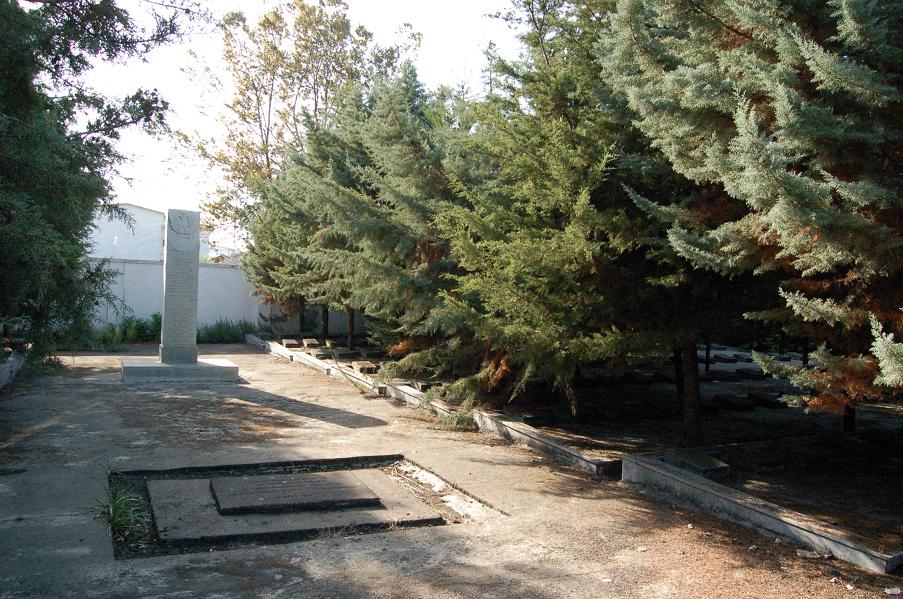
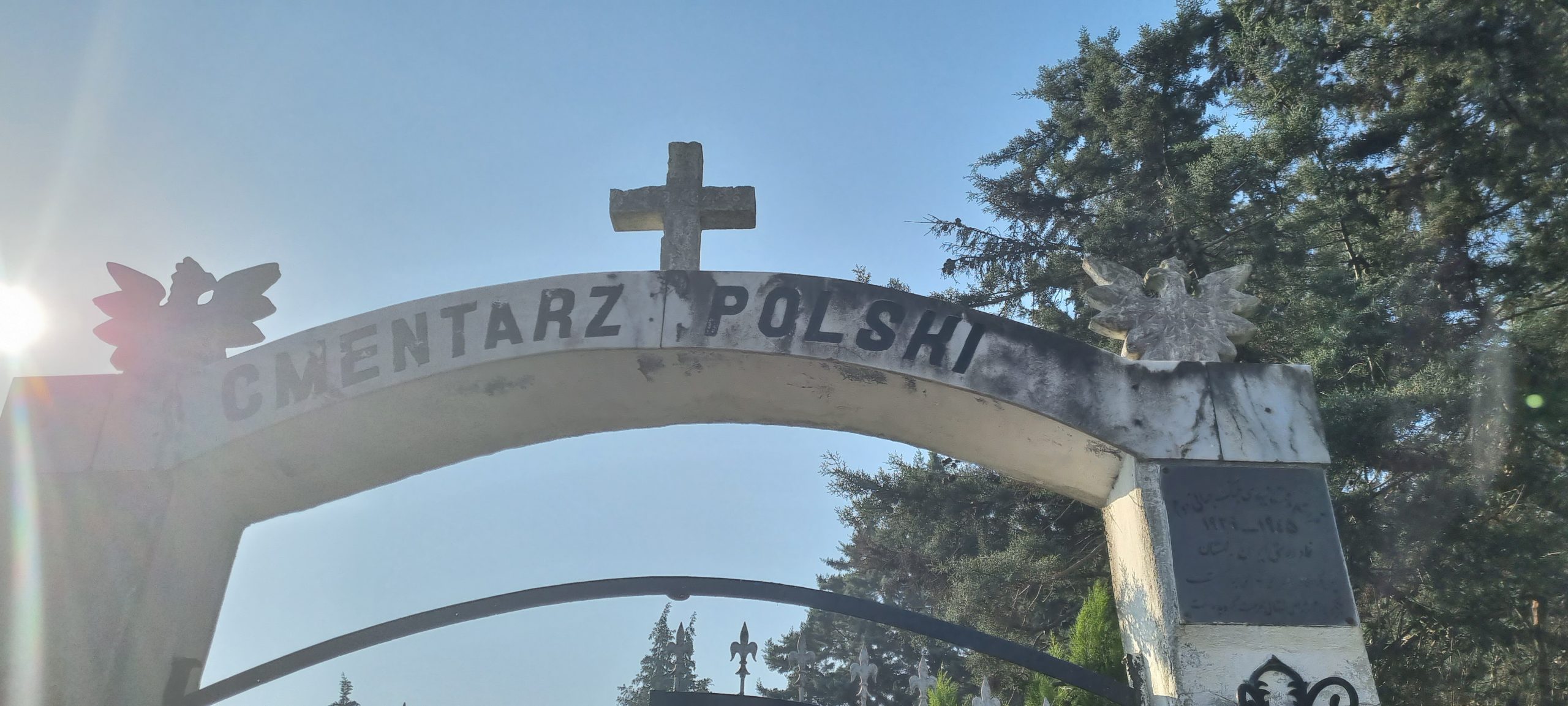
In thie Polish cemetery of Anzali, 639 Polish immigrants who fled to Iran through Anzali port during the invasion of Nazi soldiers in 1942 have been buried. This cemetery is the second largest cemetery of Polish in Iran, most of whom died due to illness and the difficulty of the journey. And they were buried in different cities of Iran.

Tehran

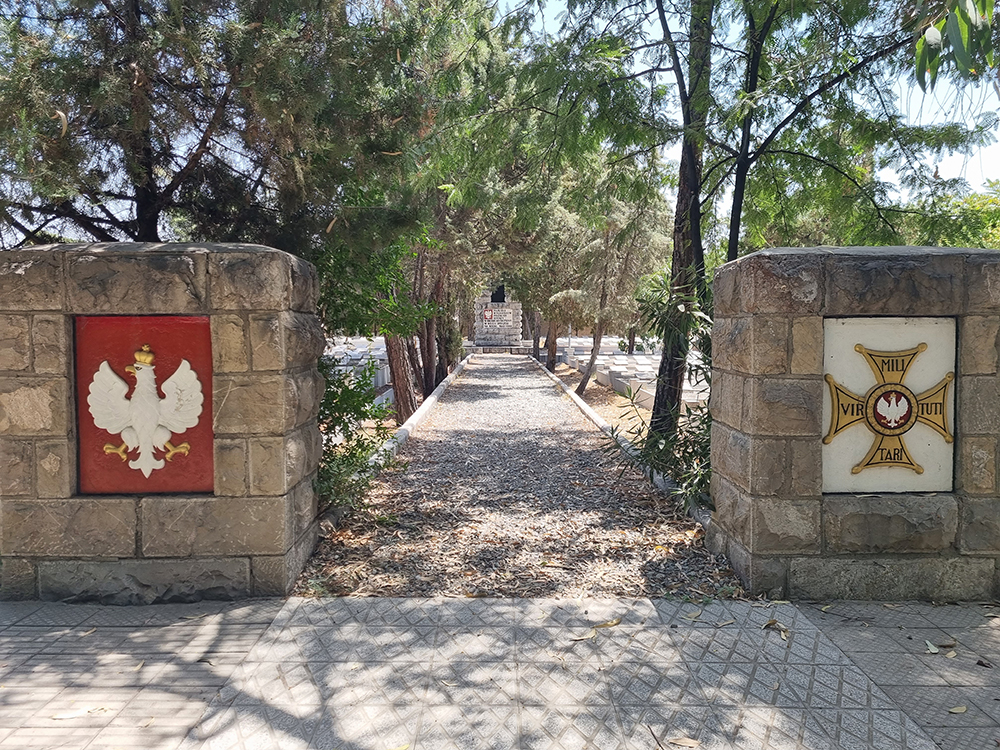
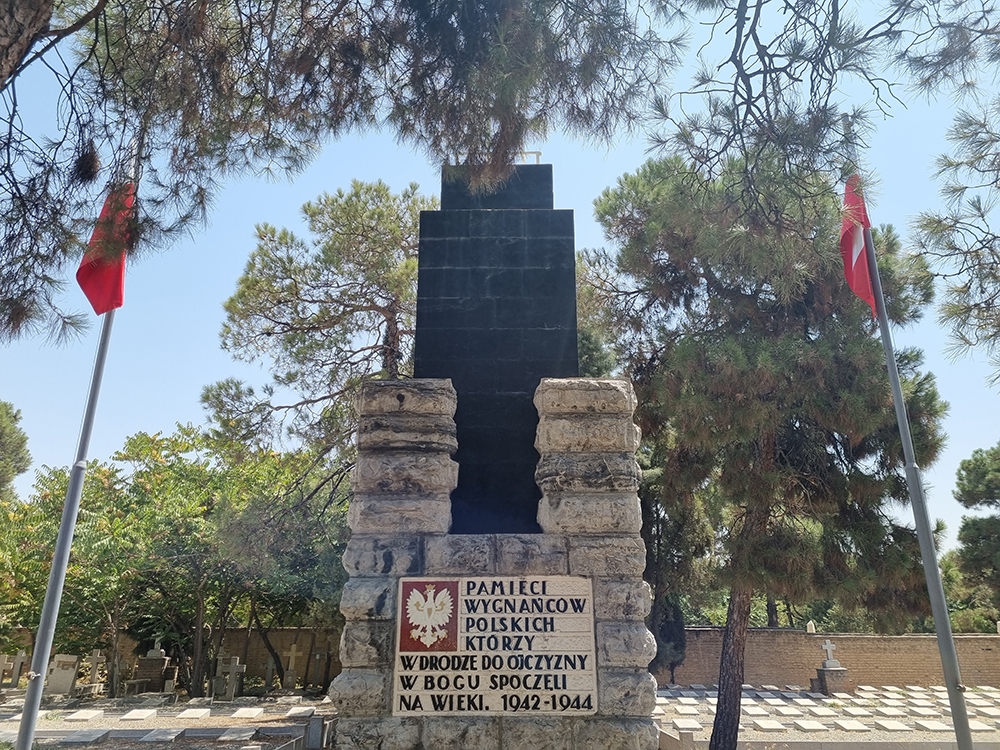
Polish Cemetery in Tehran is a historical cemetery situated in the eastern suburbs of Tehran, Iran, part of Doulab Christian Cemetery of Tehran. It was made during Evacuation of Polish civilians from the USSR in World War II. This cemetery contains the remains of 22,192 graves of the Polish civilians who perished due to sickness during their transport to the Middle East.

There are two memorials in this cemetery. The first is located in the center of the Polish section, built in honor of the victims of this historic migration, and the other is a stony statue of the Polish White Eagle, with the left of the names of the refugees who drowned in the Caspian Sea, and to the right of it are the names of those buried in the cemeteries of Khorramshahr and Qazvin and in over cemeteries in Iran.
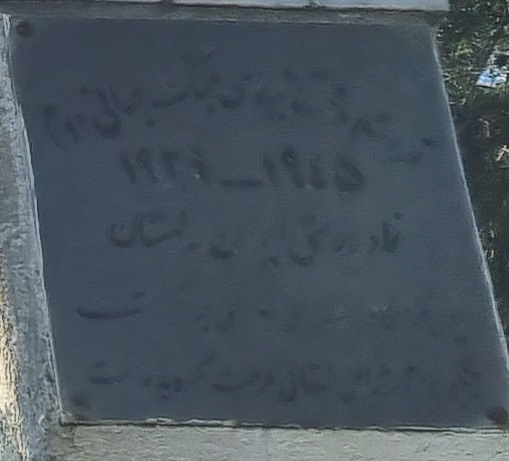
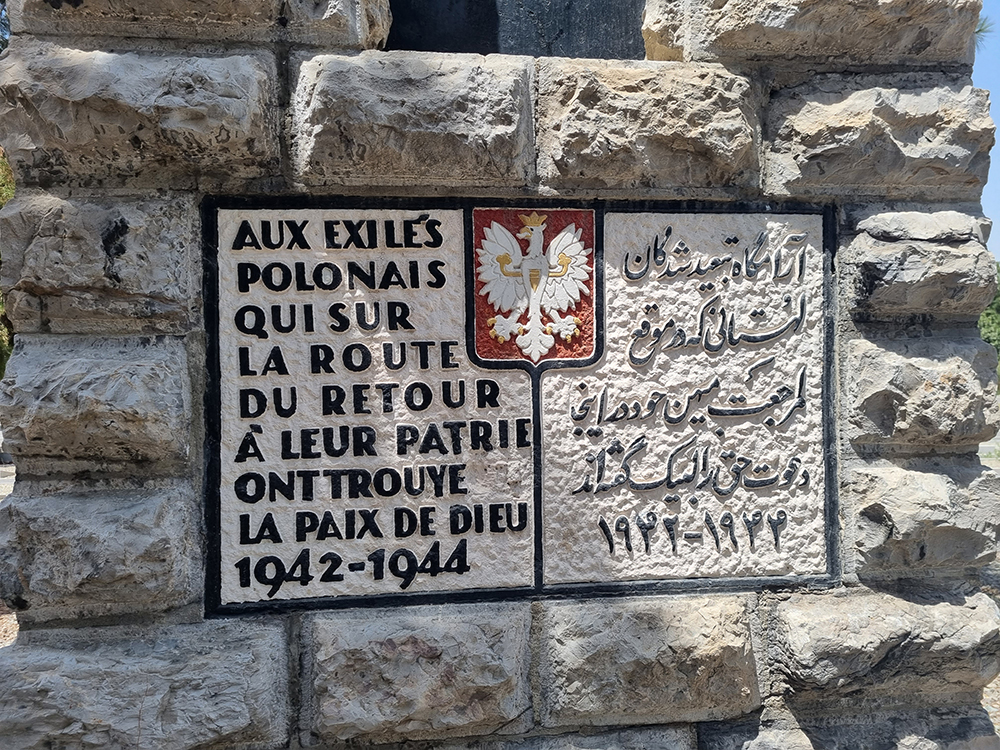
Translation “The grave of the Polish exiles who, when returning to their homeland, answered the call of truth here”


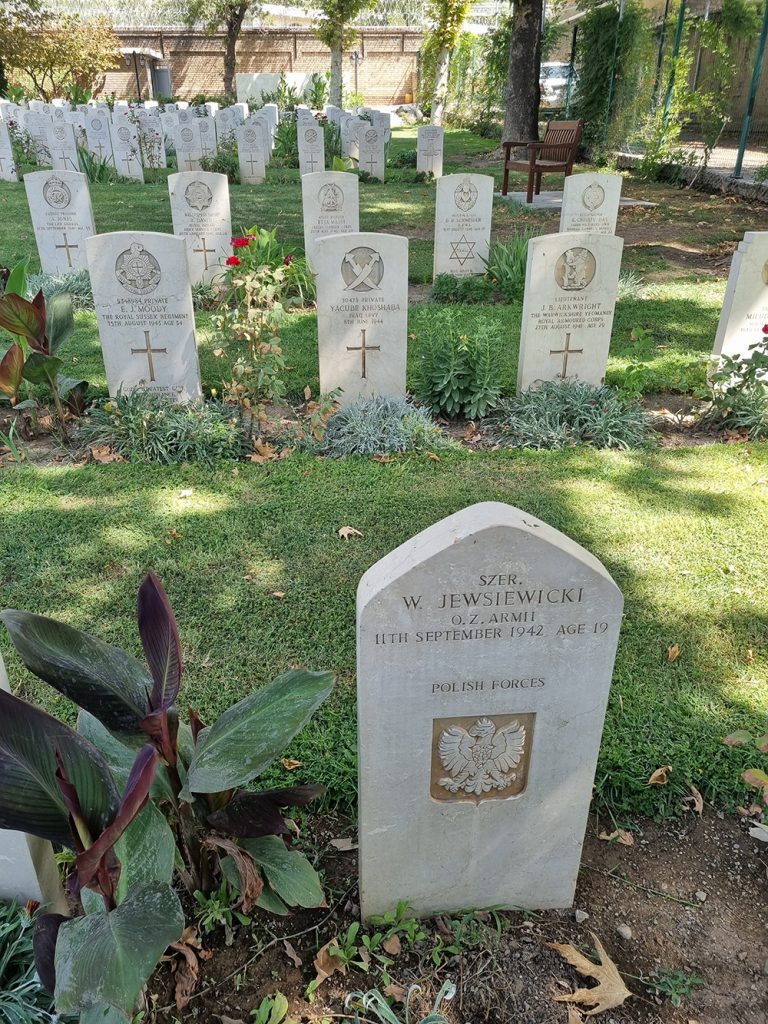
Tehran War Cemetery is a war cemetery located in Gholhak Garden in the Iranian city of Tehran and located within the British Embassy residential compound and is where over 500 British and Commonwealth soldiers who perished in the First and Second World Wars are buried. among the graves there are a couple of tomb stones with the Polish eagle part of the fallen Polish soldier that fought alongside British forces.

Isfahan

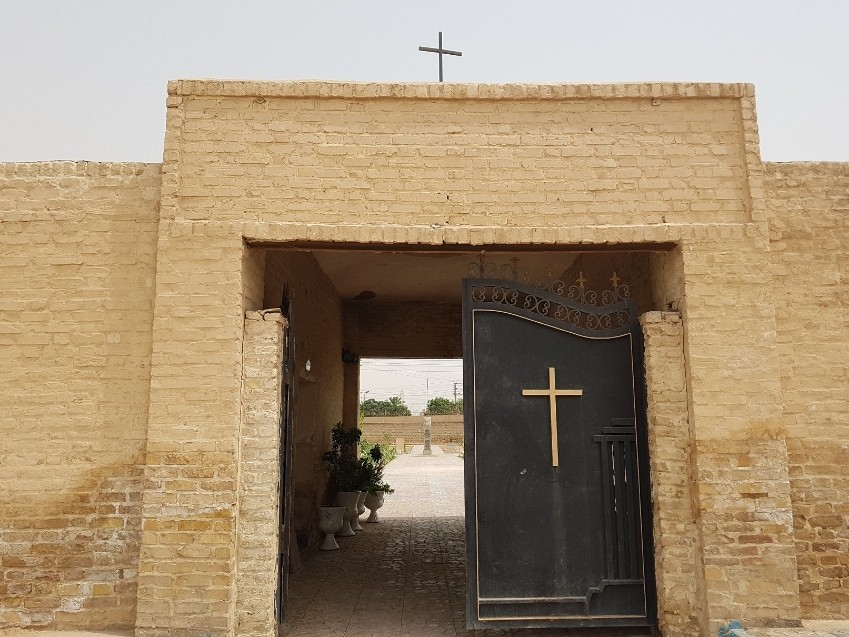
In Isfahan a big city in central Iran lives a big community of Armenians, these Armenian have a cemetery that has been home of many of the fallen Christian throughout history. Even though the cemetery is known as the Armenian cemetery but it’s the resting place of all Christians, from Roman Catholics to Eastern Orthodox and Protestants, all have been buried here. A section of this cemetery is dedicated to the Polish people who died in Isfahan, and a memorial has been placed in this section.

Ahvaz

Ahvaz is a city in the Central District of Ahvaz County, Khuzestan province, in Southern Iran. This city is home to a Assyrian Chaldean catholic community. Among the tomb stone of the Chaldean cemetery are a few tomb stones for the Poles who died in this area along with the Polish memorial.