The Eastern Front of World War II, spanning from 22 June 1941 to 9 May 1945, stands as a monumental theater of conflict that shaped the course of history. This expansive battleground witnessed the clash between the European Axis powers and the formidable Soviet Union, as well as Poland and other Allies. At the heart of Central, Eastern, Northeast, and Southeast Europe, this theater of war saw some of the most significant battles and campaigns in human history.
One of the most pivotal engagements was the Battle of Stalingrad, which raged from 23 August 1942 to 2 February 1943. This brutal confrontation between German and Soviet forces, led by Generals Paulus and Chuikov respectively, resulted in a decisive Soviet victory, marking a turning point in the war. The siege of Leningrad, enduring from 8 September 1941 to 27 January 1944, stands as another testament to Soviet resilience. Despite the harsh conditions and relentless German assault, under the command of General Govorov, the city held firm, becoming a symbol of Soviet resistance.
Throughout the Eastern Front, numerous battles and campaigns unfolded with profound implications. The Battle of Kursk, from 5 July to 23 August 1943, witnessed the largest tank battle in history as German and Soviet armored divisions clashed in a titanic struggle for supremacy. Led by Generals Model and Zhukov, the Soviets emerged victorious, delivering a crippling blow to the German war machine. Other notable engagements include the Battles of Moscow, Kiev (1943), Minsk, and Berlin, each marked by fierce fighting and strategic significance.
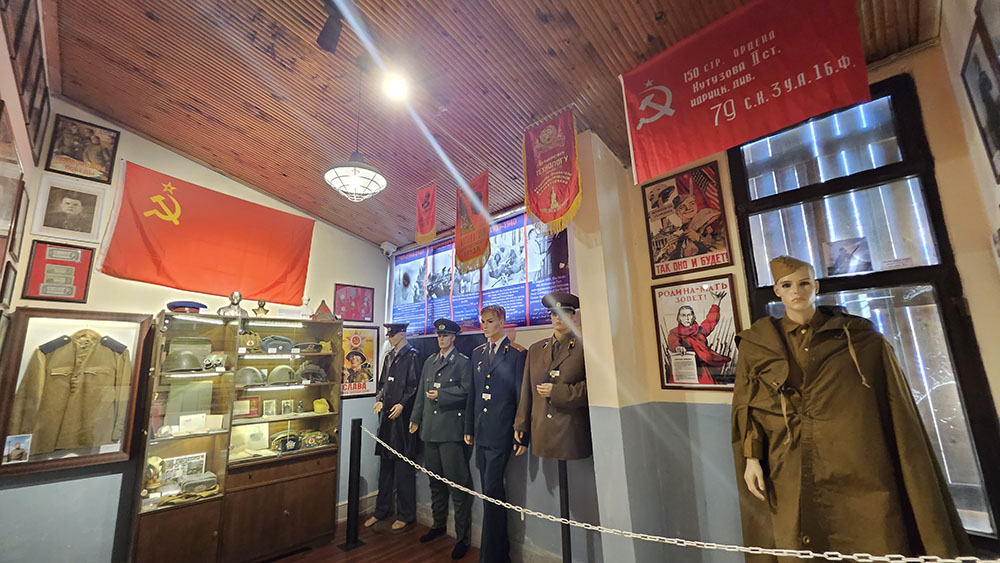
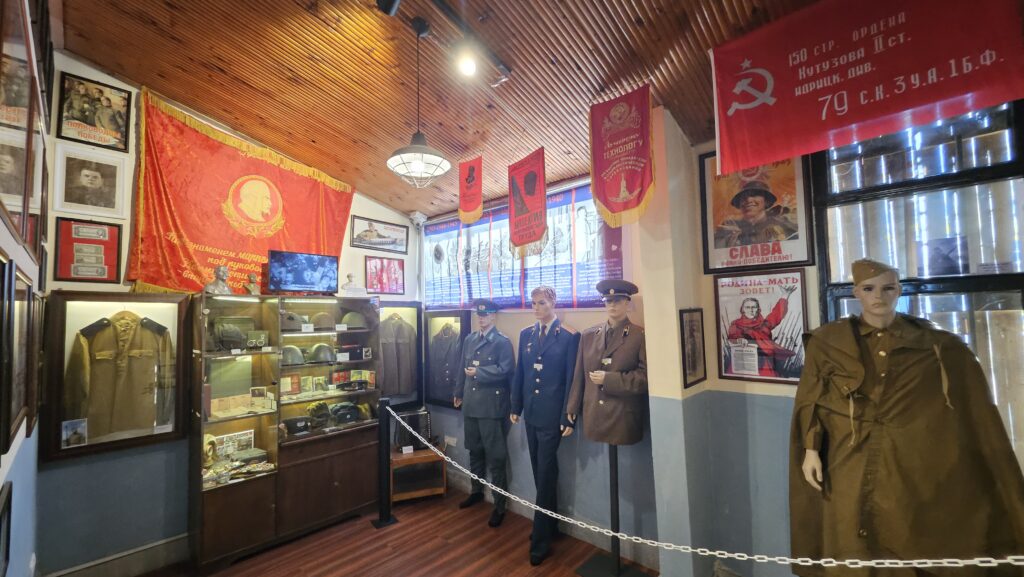
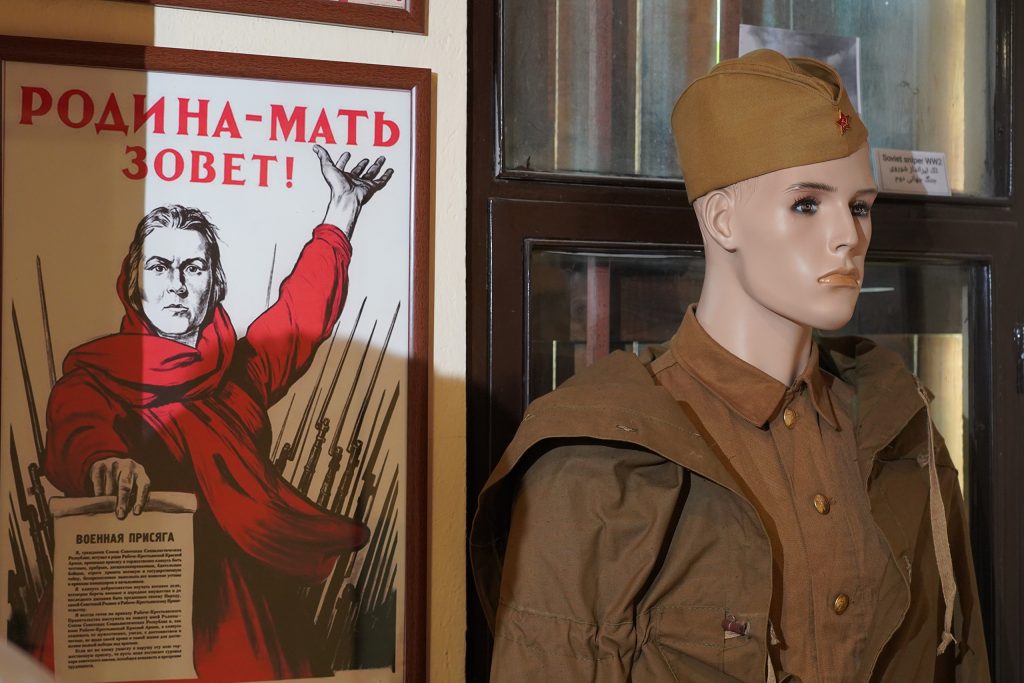
As visitors explore the Soviet Room of the WW2 Vanguard Museum, they are immersed in the rich tapestry of Eastern Front history. From the valor of Soviet soldiers to the strategic brilliance of their commanders, the exhibits illuminate the sacrifices and triumphs that shaped the outcome of World War II on this pivotal front.
In the Eastern Front Room WW2 era and Cold War era Soviet uniforms along with some East German uniforms.
other items such as helmets, medals, books and ID cards are also on display.
The Eastern Front of World War II was a theatre of conflict between the European Axis powers against the Soviet Union (USSR), Poland, and other Allies, which encompassed Central Europe, Eastern Europe, Northeast Europe (Baltics), and Southeast Europe (Balkans) from 22 June 1941 to 9 May 1945.
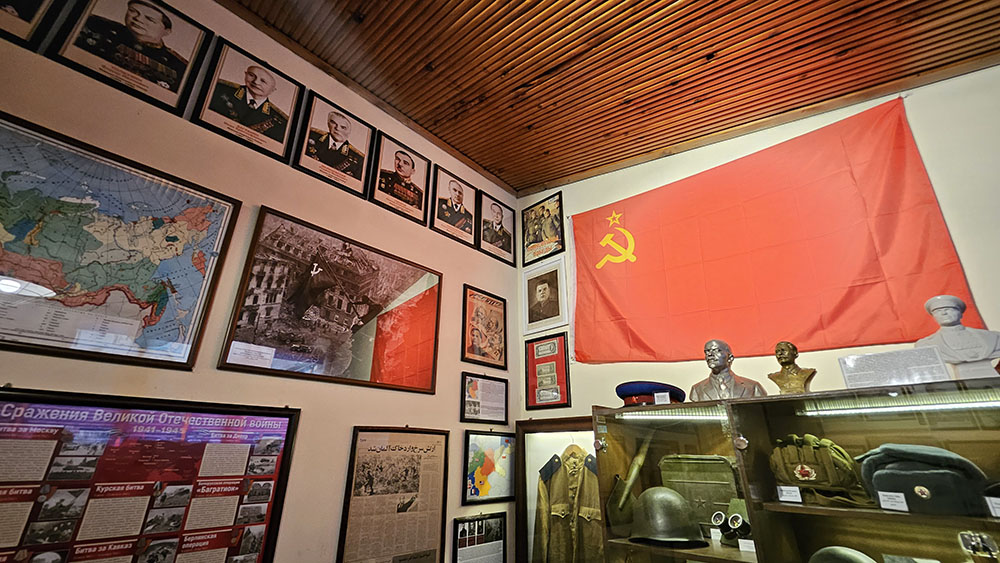
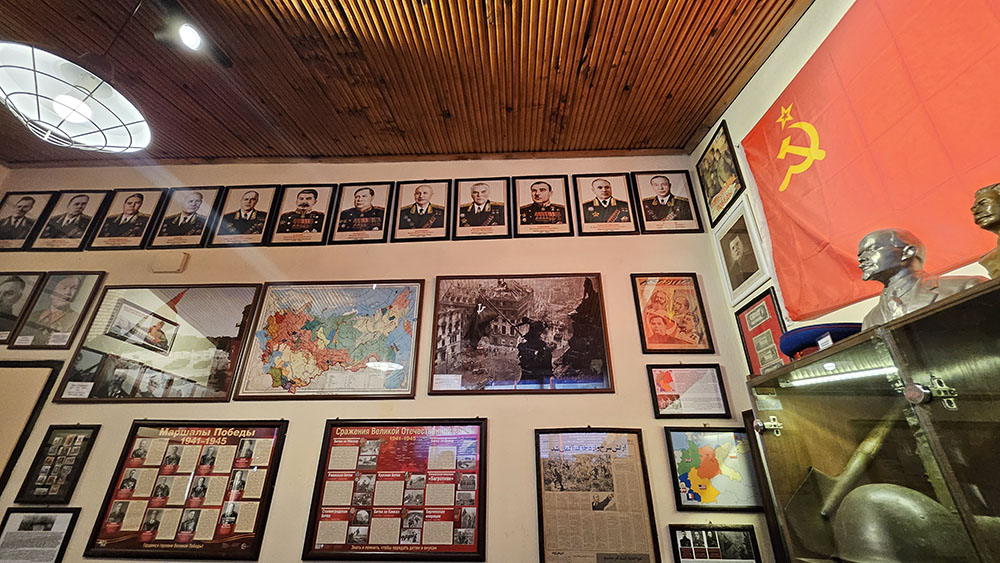
In this room, we try to make a short and simple summary of various important battles such as the battle of Stalingrad, The Defense of Moscow, The siege of Leningrad, etc.
Photos of Soviet commanders and battles 1941-1945
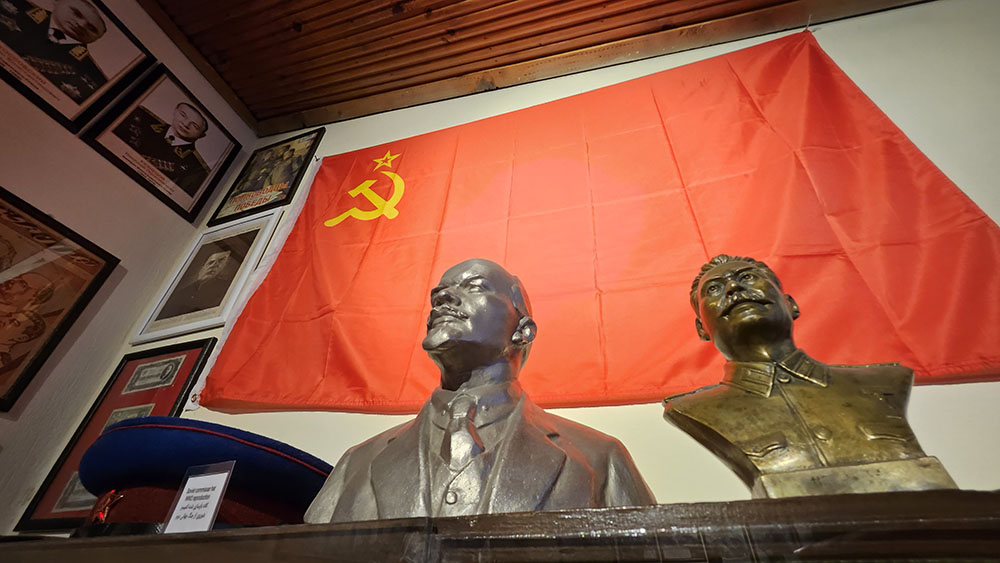
Statues of Lenin and Stalin
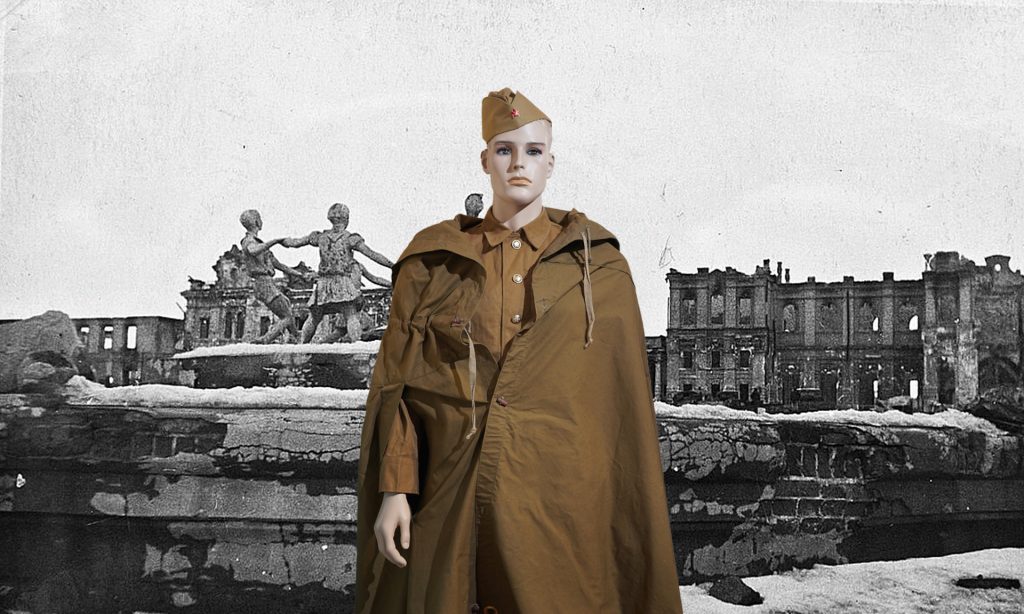
Soviet snipers in the Battle of Stalingrad 1942 in massive and deadly urban battles, both Men and Women of The Soviet Red Army took part in this great battle as snipers to combat the German 6th army in Stalingrad